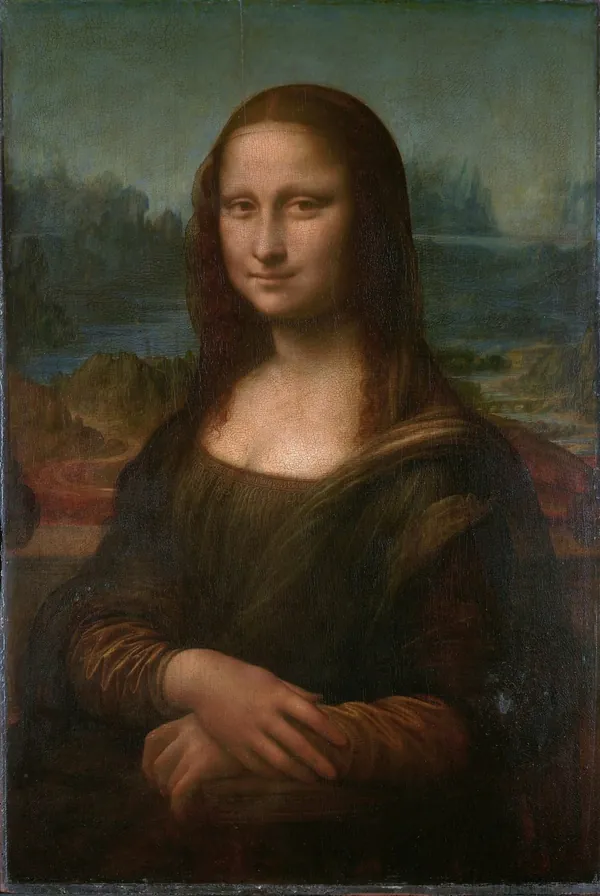
Classical art memes look effortless. A Renaissance face, one line of text, done. But anyone who has tried to make one knows the gap between "ha" and "send this to everyone" is surprisingly wide.
Here's the practical guide: where to find high-quality paintings you're allowed to use, how to pick the right face, and the caption rules we use for every Clasycal post.
Step 1: Find a painting you're allowed to use
The good news: most old masterpieces are in the public domain, which means their copyright has expired and anyone can use them. Even better, many major museums now give away high-resolution images for free.
- Wikimedia Commons. The biggest free media library on the internet, with millions of artworks. Search for the painting and check the license box on the file page; old paintings are usually marked as public domain.
- The Met Open Access. Since February 2017, the Metropolitan Museum of Art in New York has released images of its public-domain works under a CC0 license, free for any use. Look for the "OA Public Domain" label on the object page.
- Rijksmuseum. The Amsterdam museum lets you download high-resolution images of its public-domain collection for free, Rembrandt and Vermeer included.
- Art Institute of Chicago. Public-domain works are released under CC0, with a download button right on the artwork page.
- National Gallery of Art, Washington. Its open access program offers free downloads of public-domain images.
Pro tip: always grab the largest version available. You'll be cropping in on faces, and a tiny file turns into a blurry mess fast.
Step 2: Double-check it's really public domain
This is the boring part, but it matters. A few rules of thumb (not legal advice):
- Old is safe. In much of the world, including the EU, copyright lasts for 70 years after the artist's death. In the United States, works published before 1931 are in the public domain as of 2026. A painting from 1650 is fine. A painting from 1950 probably isn't.
- Photos of flat paintings. In the US, courts have held that a faithful photo of a public-domain painting doesn't create a new copyright (Bridgeman v. Corel, 1999). In the EU, a 2019 copyright directive (Article 14) says the same for reproductions of public-domain visual art. Other countries vary, which is why museum open access programs are the safest source.
- Sculpture is different. A photo of a 3D statue can carry the photographer's own copyright. Stick to paintings, drawings and prints if you want an easy life.
Step 3: Pick the face, not the painting
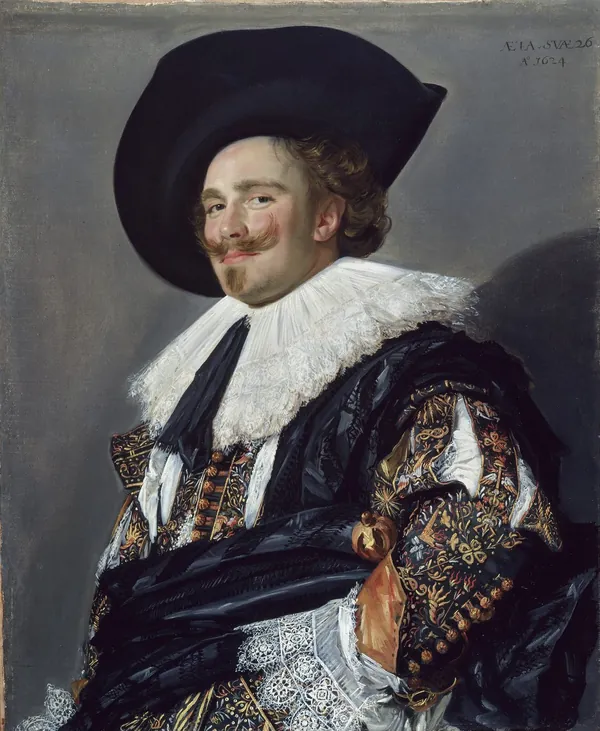
Here's the secret most beginners miss: people don't share a painting, they share an expression. The best classical memes start with a face that already says something.
Before you write anything, ask: what one word describes this face? Panic. Smug. Exhausted. Betrayed. Suspicious. If you can't name it in a word, the meme probably won't land. Good places to hunt:
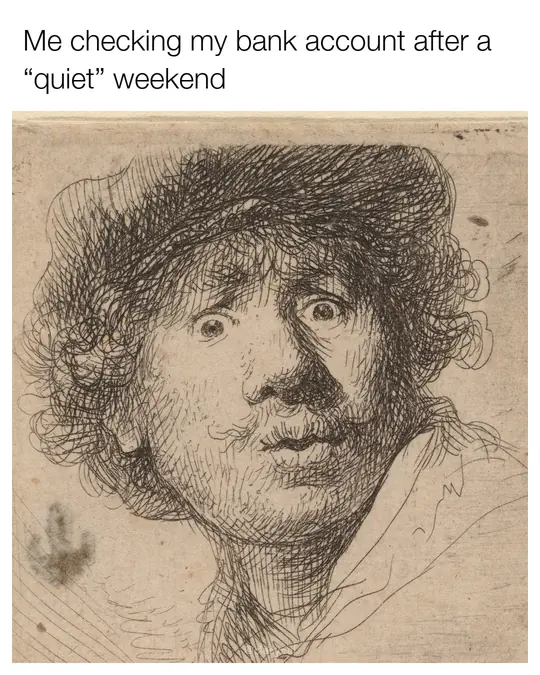
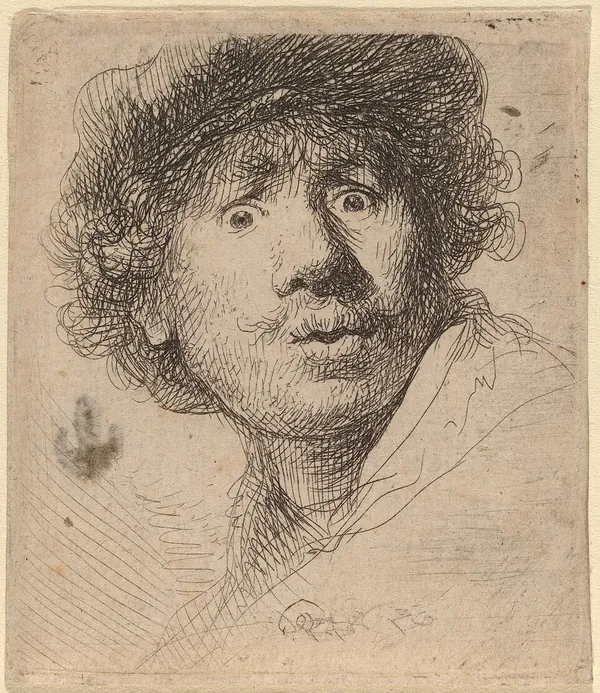
- Rembrandt's self-portrait etchings, where he practiced extreme expressions in the mirror.
- Dutch genre paintings of taverns and households, full of people mid-reaction.
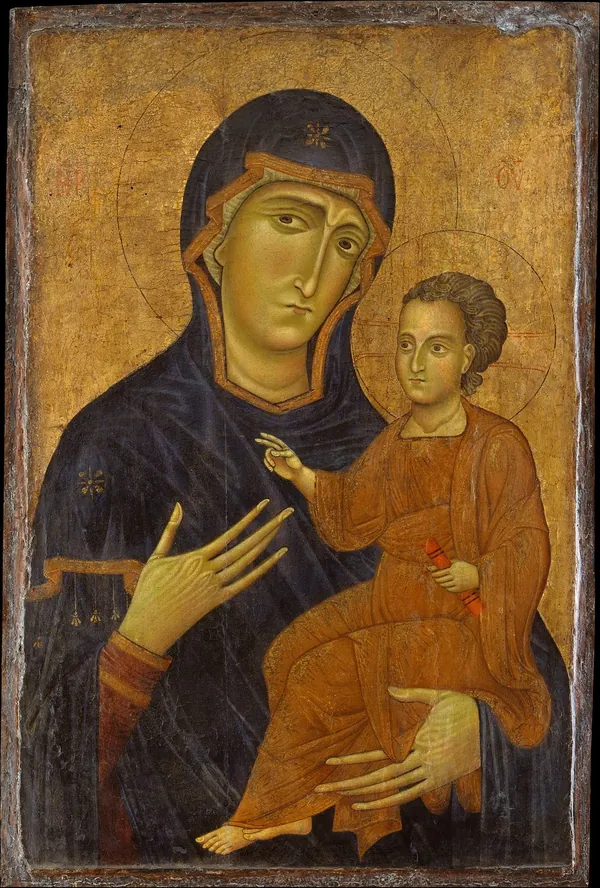
- Medieval manuscripts and paintings, for maximum deadpan (here's why medieval babies look like that).
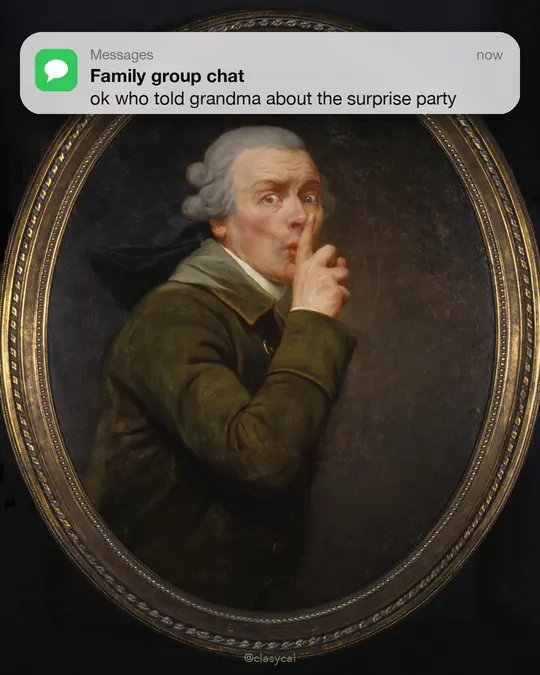
- Joseph Ducreux, who painted himself yawning, shushing and mocking. He's a meme legend for a reason.
Step 4: Write the caption (the Clasycal rules)
This is where most classical memes win or die. These are the rules we actually use.
- Be specific. "Me at work" is fine. "Me leaving the office at 4:59 PM" is a joke. The more precise the situation, the more people recognize themselves.
- Modern problem, ancient face. The humor lives in the contrast between centuries of gravitas and a banking app, a voice message or a third alarm.
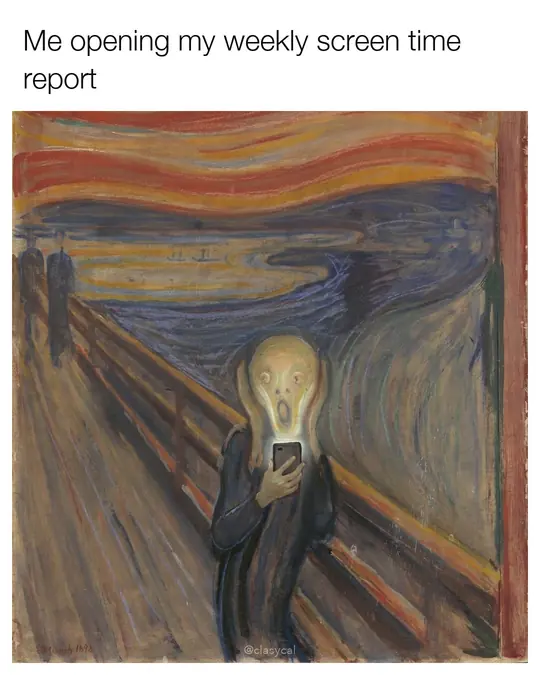
- Let the face deliver the punchline. The caption sets the scene; the painting reacts. Don't describe the expression in the text. "When the group chat goes silent after your voice message" works because Rembrandt's wide eyes finish the sentence.
- Short wins. Aim for one line, ideally under 15 words. If it needs a second sentence, it needs a rewrite.
- Use the classic setups. "Me when...", "POV:", "When you...", or a straight label. They're cliché because they work: the reader knows instantly how to read the image.
A few examples from our meme archive, to show the formula in action:
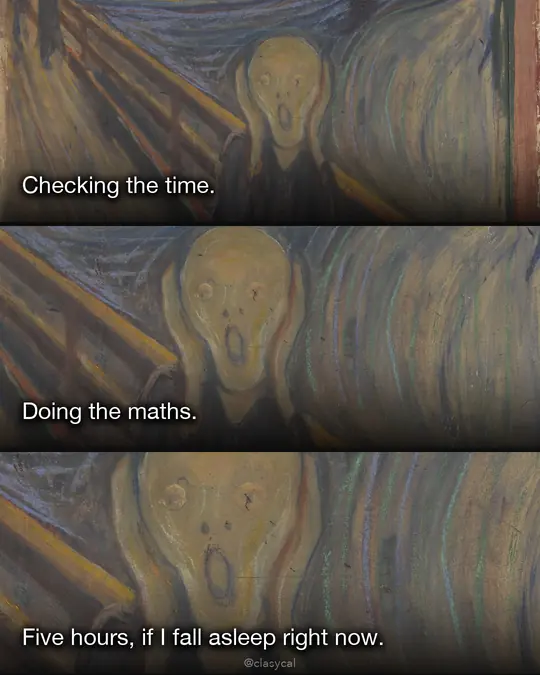
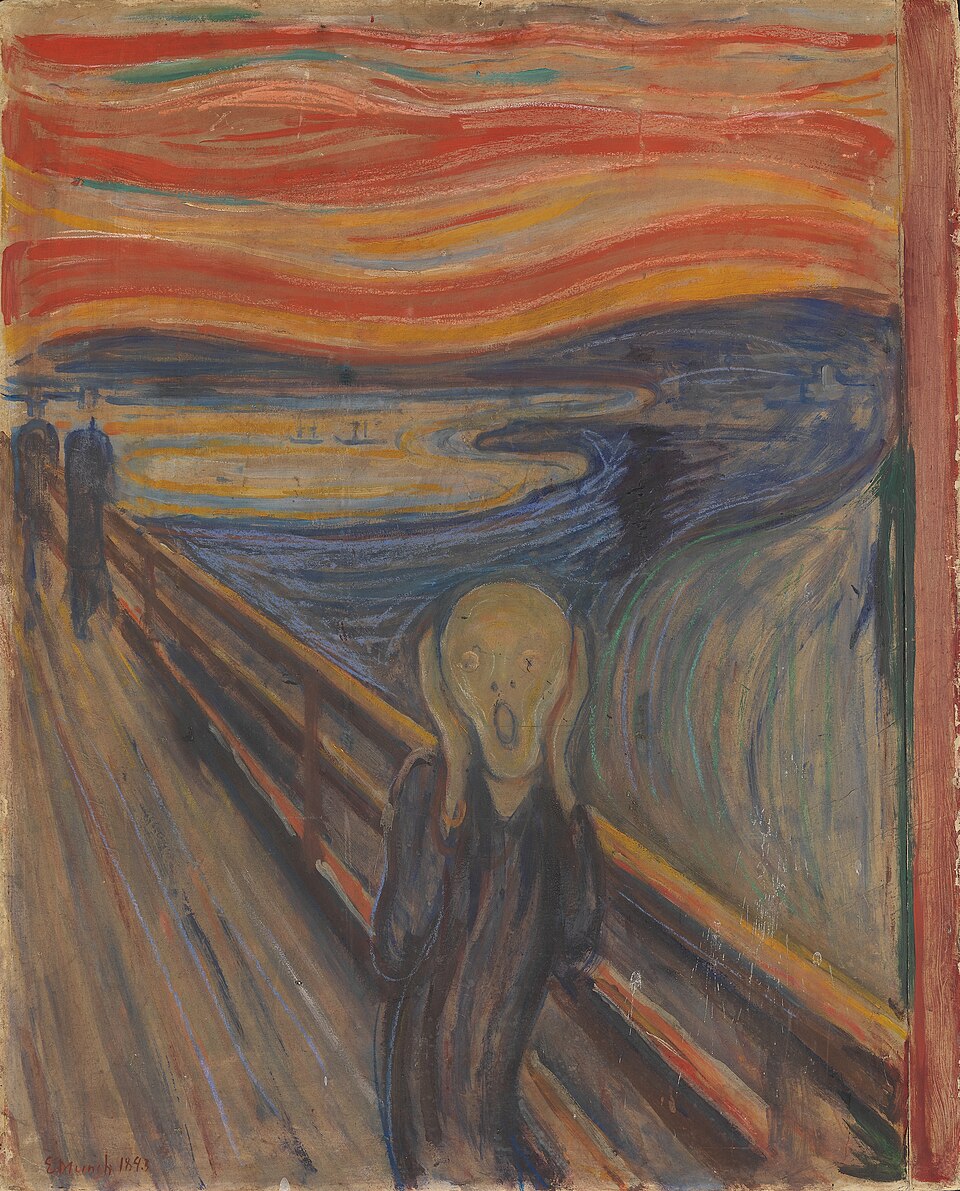
- Munch's The Scream: "Me opening my banking app in January."
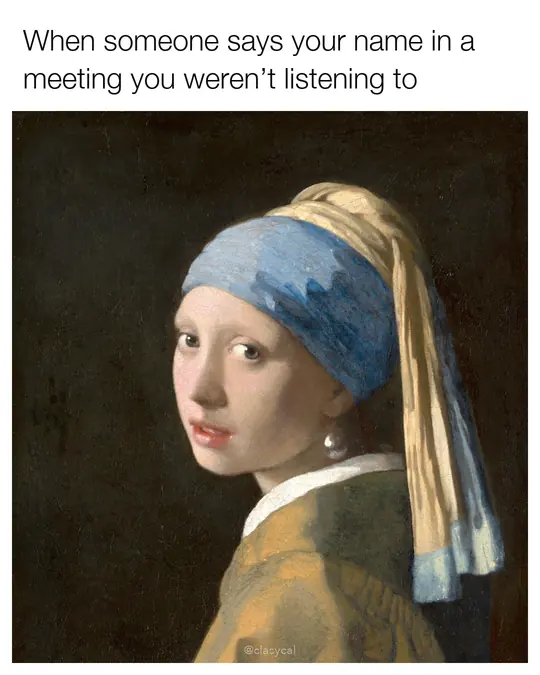
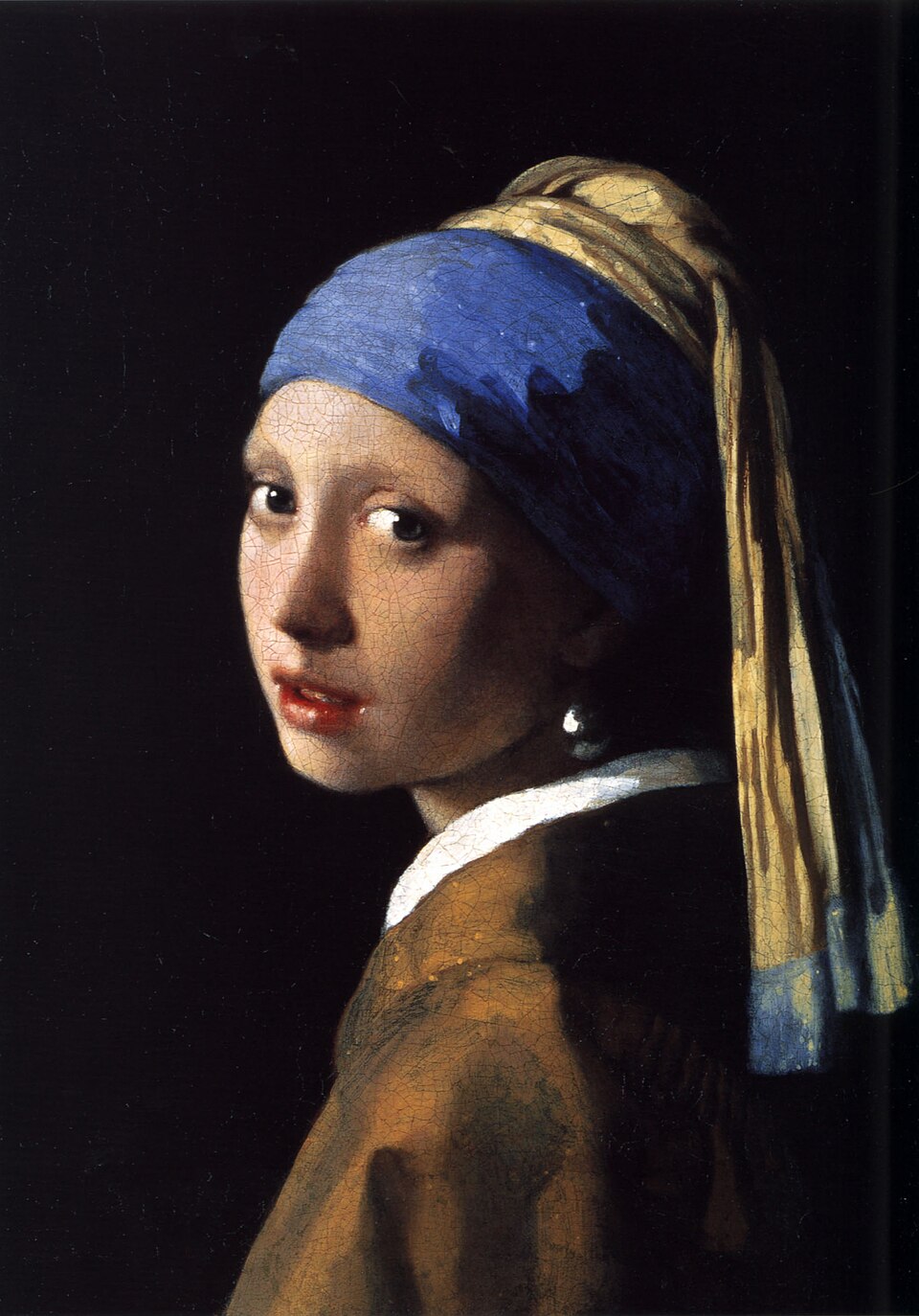
- Vermeer's Girl with a Pearl Earring: "'We need to talk' and then goes offline."
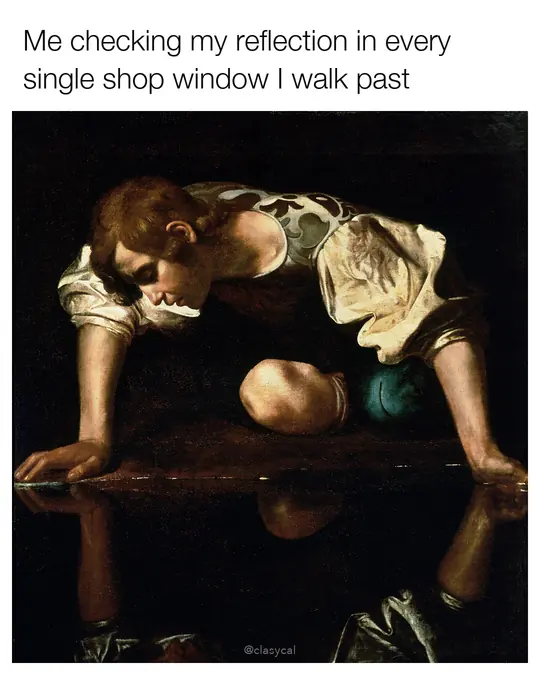
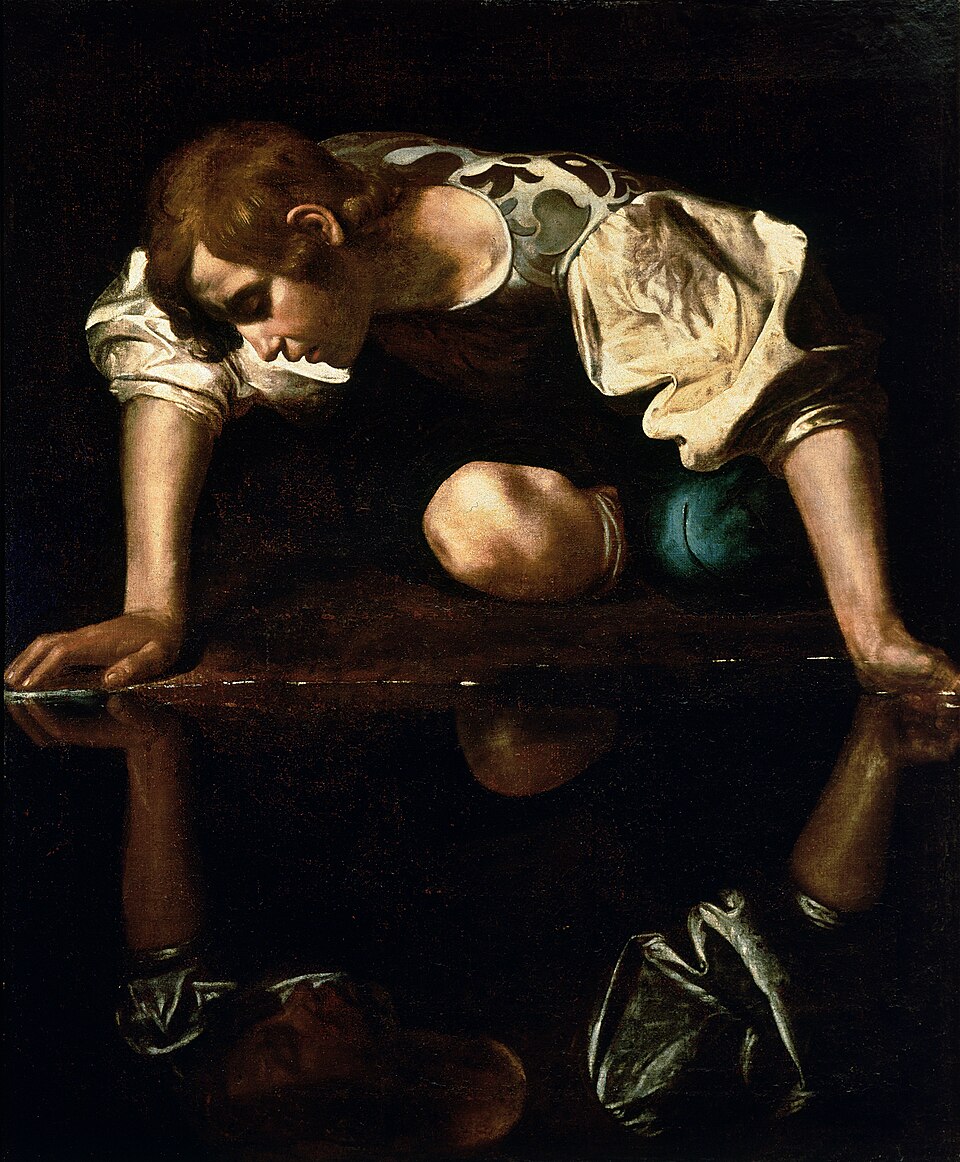
- Caravaggio's Narcissus: "Me rewatching my own story for the 14th time."
Step 5: Lay it out so it reads in one second
- Never cover the face. Put the caption above the image in a plain band, or in an empty area of the painting like a dark background or sky.
- Use a clean, bold font with strong contrast. Fancy script fonts look "classical" and are unreadable on a phone.
- Crop tight. Most masterpieces are full of beautiful details nobody needs for the joke. Crop to the face and hands.
- Use the right format. For an Instagram feed post, a 4:5 portrait format (1080 × 1350 pixels) takes up the most screen space.
Step 6: Credit the painting (and add one true fact)
Always put the artist, title and year in your post caption. It's respectful, it helps people find the original, and it's the bit that makes classical art memes feel smart rather than random.
Better still, add one real fact about the painting. Our favorite format is the museum plaque: the meme makes them laugh, the fact makes them stay. Caravaggio painting the boy who fell in love with his own reflection is funny. Knowing that Instagram merely automated the process is the follow-up line.
Common mistakes to avoid
- Explaining the joke in the caption. Trust the face.
- Using low-resolution screenshots with watermarks. Go to the museum source instead.
- Getting the art facts wrong. Classical art fans notice, and they will tell you. Check the title, artist and date.
- Picking the painting first, joke second. Keep a notes file of relatable moments, then hunt for the face that fits.
The Clasycal formula, in one line
A specific modern moment, plus a centuries-old face that already reacts to it, plus one true fact to keep it honest. That's it. The old masters did the hard part. You just have to write the line.
Need inspiration? Browse the Clasycal meme archive, read about the most memed paintings of all time, or grab something for your desk in the gift shop.
Made one you're proud of? Follow @clasycal on Instagram and see how the professionals caption a Caravaggio.
Sources
- Wikimedia Commons: Reuse of PD-Art photographs
- The Met: Open Access policy and image resources
- Rijksmuseum: Collection
- Art Institute of Chicago: Open Access Images
- National Gallery of Art: Open Access Policy for Images
- Bridgeman Art Library v. Corel Corp., Wikipedia
- Directive (EU) 2019/790 on copyright in the Digital Single Market (Article 14)
- Cornell University Library: Copyright Term and the Public Domain in the United States